If you’ve invested in protecting your vehicle, recognizing the Signs Your Paint Protection Film Needs Replacement is essential, especially in Naperville, IL, where harsh winters, road salt, and summer UV exposure can accelerate wear. Paint Protection Film (PPF) is designed to absorb impact, resist stains, and shield your paint from damage. But like any protective layer, it doesn’t last forever.
In this guide, we’ll break down the most common PPF replacement signs, explain what causes paint protection film issues, and help you determine when it’s time to schedule a professional PPF inspection in Naperville. Whether your vehicle has high mileage or is just a few years old, knowing what to look for can protect your investment and resale value.
Why Paint Protection Film Wears Out in Naperville’s Climate
Naperville’s seasonal extremes directly impact how long PPF lasts. On average, high-quality film installed by professionals can last 5 to 10 years. However, several local factors can shorten that lifespan.
1. Harsh Winters and Road Salt
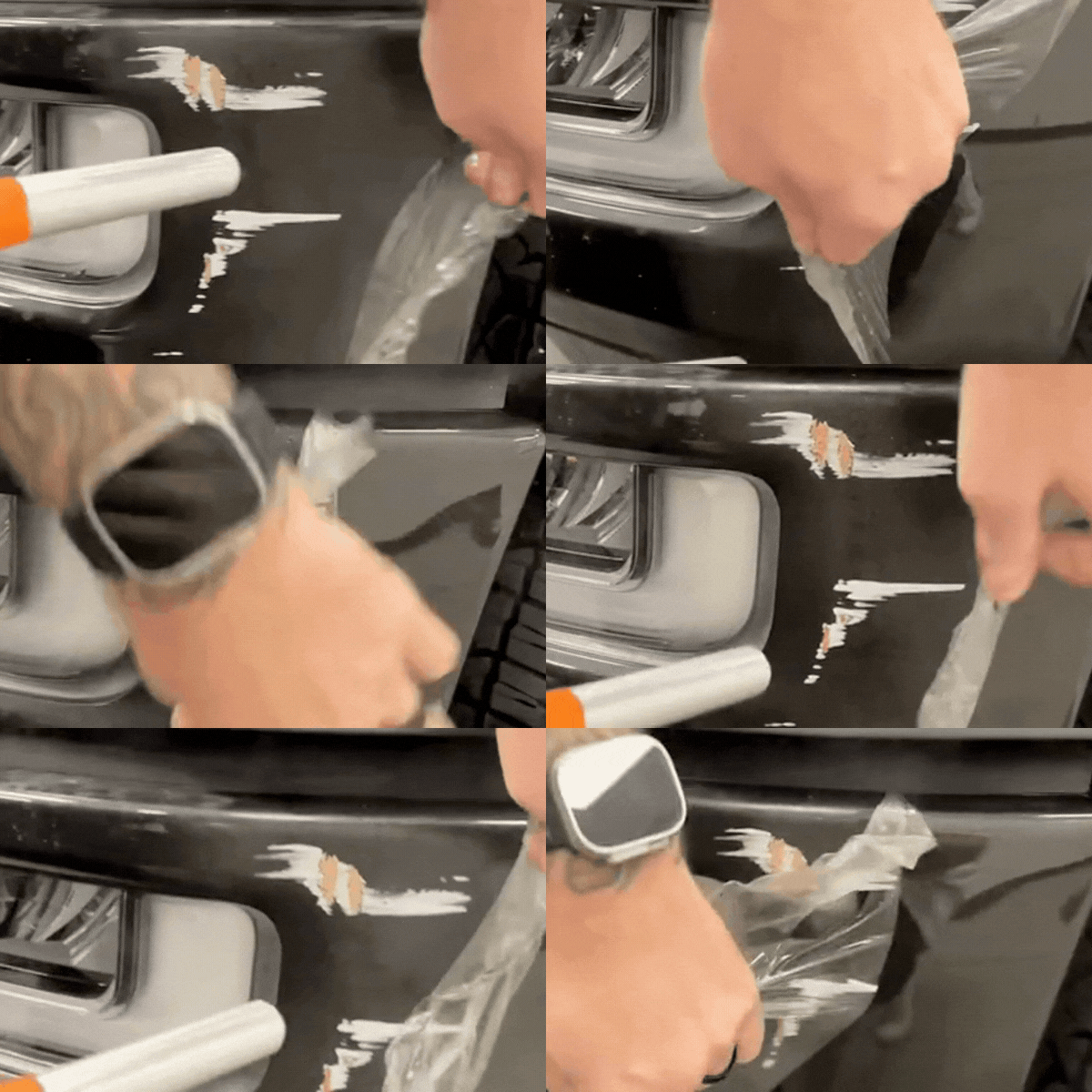
Salt and de-icing chemicals can seep into lifting edges or minor imperfections, leading to:
- Adhesive breakdown
- Vehicle paint film peeling
- Accelerated automotive film deterioration
If your film’s edges are lifting, salt intrusion may already be compromising your paint.
2. UV Damage to PPF During Summer
Prolonged sun exposure causes:
- Yellowing paint film
- Faded paint protection film
- PPF discoloration
- Reduced gloss and clarity
UV damage to PPF is especially noticeable on white or light-colored vehicles.
3. Temperature Fluctuations
Naperville’s freeze-thaw cycles stress the film’s flexibility. Over time, this can cause:
- Protective car film cracks
- Brittleness
- Clear bra damage
Even high-performance films degrade as they age.
For deeper insight into how modern films are engineered to resist these issues, explore the advancements in self-healing PPF technologies in Naperville.
Early Signs Your Paint Protection Film Needs Replacement
Recognizing the early Signs Your Paint Protection Film Needs Replacement can prevent more expensive paint correction later.
Yellowing or Discoloration
If your once-clear film now appears yellow or cloudy, that’s a sign of UV degradation and an aged paint protection film. This is one of the most common paint protection film issues in vehicles parked outdoors year-round.
What causes discoloration in paint protection film?
UV exposure breaks down the topcoat over time, especially if the film lacks advanced UV inhibitors.
Peeling PPF or Lifting Edges
Peeling PPF around mirrors, hoods, or bumpers is a strong indicator that replacement may be necessary.
Common causes include:
- Adhesive failure
- Poor initial installation
- High-mileage car PPF exposure
- Automatic car washes
Why does paint protection film start peeling over time?
Because adhesive bonds weaken after years of heat cycles and moisture exposure.
If you notice paint film lifting edges, schedule a professional PPF inspection in Naperville before contaminants reach the paint underneath.
Bubbles in PPF or Blistering
Small air pockets or expanding blisters are classic PPF replacement signs.
Why do bubbles appear under paint protection film?
- Temperature swings
- Moisture intrusion
- Adhesive separation
- Installation errors
While minor bubbles sometimes stabilize, widespread bubbling indicates adhesion failure.
Cracking or Brittleness
Cracks in protective car film indicate severe deterioration. When the film loses flexibility, it can no longer absorb impact from debris, leading to rock chip protection failure.
At this stage, the film is no longer protecting your paint; it may even trap moisture against it.
How Can I Tell If My PPF Is No Longer Effective?
Beyond visible damage, there are functional indicators.
Loss of Self-Healing Properties
Modern PPF uses elastomeric topcoats that allow light scratches to disappear in heat or sunlight. If minor swirl marks remain visible, your film’s protective layer has degraded.
Deep Scratches and Staining
Permanent stains from bug splatter or tree sap suggest the protective coating is compromised. If scratches penetrate the film, the impact resistance has weakened.
For more on how PPF protects your vehicle long-term, review the detailed benefits of paint protection film.
What Happens If You Don’t Replace Damaged PPF?
Ignoring damaged paint protection film can lead to:
- Trapped dirt and salt beneath the lifting sections
- Increased difficulty during removal
- Potential paint damage during delayed removal
- Reduced resale value
After 7–10 years, aged paint protection film can bond too aggressively to the paint, making safe removal more challenging.
When to replace paint protection film?
Ideally, before severe cracking, discoloration, or adhesive failure occurs.
Factors That Accelerate Car PPF Wear and Tear
Certain habits can speed up deterioration:
- Frequent highway driving (rock chip exposure)
- Parking outdoors daily
- Automated brush car washes
- Improper cleaning products
- High mileage car PPF usage
Following proper maintenance routines significantly extends lifespan. You can learn more in this guide to paint protection film maintenance tips.
Why Professional PPF Inspection in Naperville Is Essential
Not all damage is visible to the untrained eye.
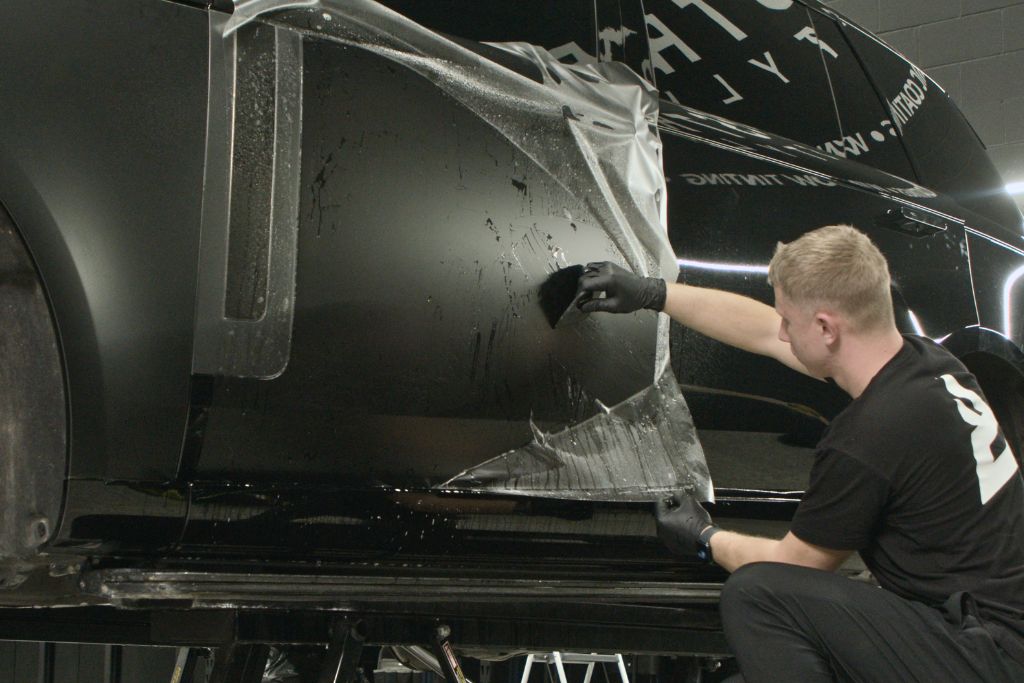
A professional PPF inspection in Naperville evaluates:
- Adhesive integrity
- Topcoat condition
- Edge sealing
- Surface contamination
At Aesthetic Styling in Naperville, trained technicians use premium materials like XPEL and offer warranties up to 10 years. Their expertise ensures safe removal and precision replacement, preserving your vehicle’s finish and resale value.
Why is professional inspection important for aging PPF?
Attempting DIY removal of brittle film can risk paint damage.
When to Replace Paint Protection Film vs. Repair
Minor lifting may sometimes be corrected. However, full replacement is recommended when you notice:
- Widespread yellowing paint film
- Extensive bubbling
- Cracking across multiple panels
- Rock chip protection failure
Replacing the film restores clarity, gloss, and impact resistance essential for long-term protection.
How Long Does Paint Protection Film Typically Last in Naperville’s Climate?
Most professionally installed films last 5 to 10 years. Longevity depends on:
- Installation quality
- Maintenance routine
- Climate exposure
- Driving habits
Vehicles regularly exposed to salt and UV radiation may require earlier replacement.
How to Choose a Reliable PPF Replacement Service in Naperville
When selecting a provider, look for:
- Certified installers
- Warranty-backed products
- Clean, controlled installation environment
- Transparent consultations
- Experience with high-end vehicles
A reputable studio will inspect your current film before recommending replacement, ensuring you only invest when necessary.
Don’t Ignore the Signs
Understanding the Signs Your Paint Protection Film Needs Replacement helps you protect your vehicle before minor issues turn into costly repairs. In Naperville’s demanding climate, proactive inspections and timely replacement preserve your car’s appearance, value, and performance.
If you’ve noticed peeling PPF, bubbling, discoloration, or cracking, scheduling a professional evaluation can save you time and money. Investing in high-quality replacement film ensures your vehicle continues to receive the protection it deserves.
Frequently Asked Questions
What are the early signs that my paint protection film needs replacement?
Yellowing, peeling PPF, bubbling, cracking, and reduced gloss are common early indicators.
How can I tell if my PPF is no longer effective?
If scratches no longer self-heal and chips reach the paint layer, protection has diminished.
What factors accelerate PPF wear and tear?
UV exposure, road salt, automatic washes, and high mileage driving.
What happens if I don’t replace damaged PPF?
It can trap contaminants, complicate removal, and increase paint repair costs.